Duolingo Alternative: 9 Apps Compared (2026)
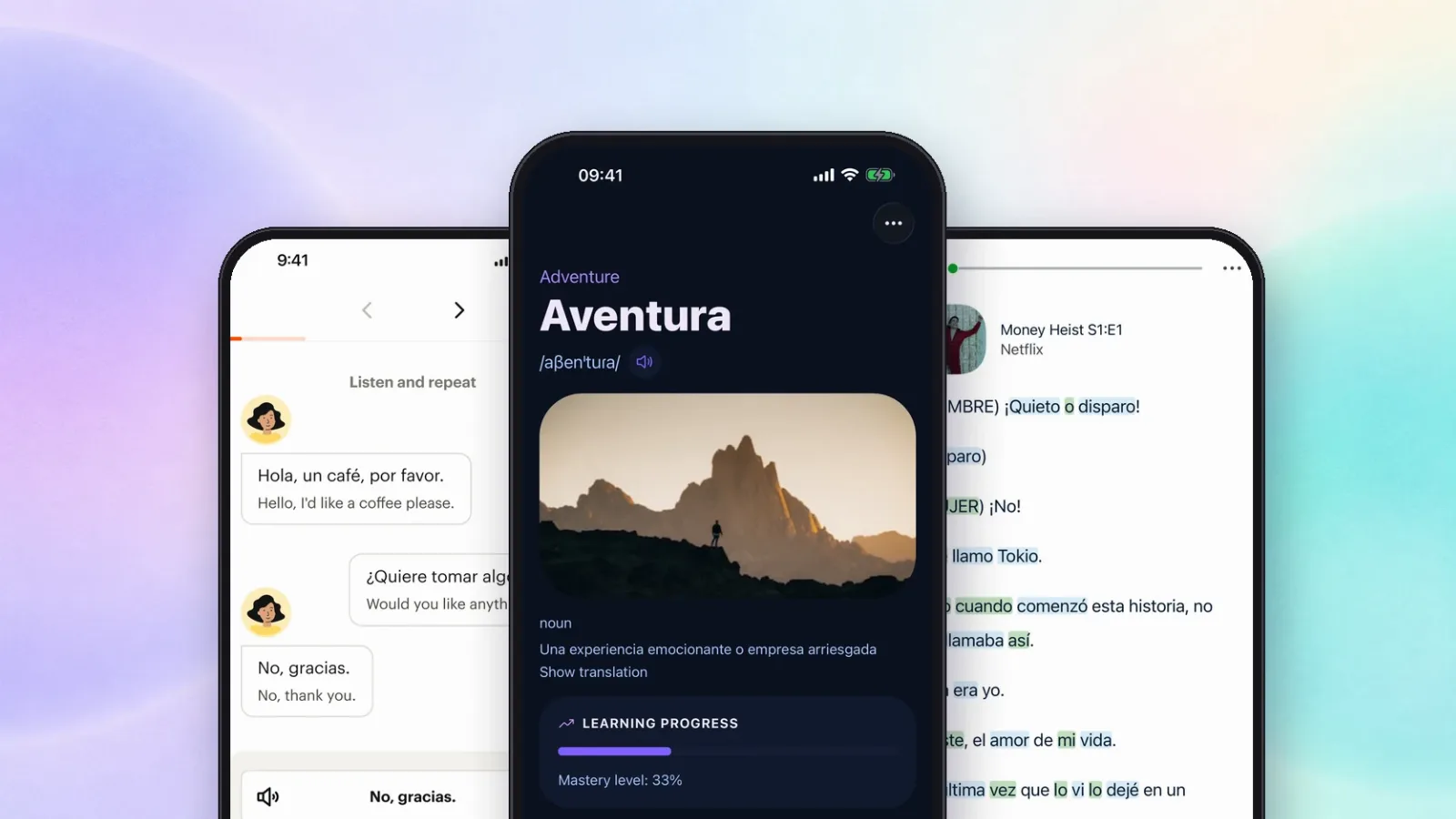
Duolingo is the easiest way to start a language, and that is exactly why so many people outgrow it. After a few months the streak keeps going, but speaking stays shaky, grammar is never really explained, and the vocabulary stops growing. That is usually when people start looking for a Duolingo alternative.
We compared nine apps people most often try instead of Duolingo, or next to it. Some are full courses that can replace it. Others fix one thing Duolingo does weakly: speaking, reading real content, or remembering words. Prices were checked on 11 October 2026 in the US App Store.
Quick answer: which Duolingo alternative fits you
- You want a real course with grammar explained: Babbel.
- You want feedback from native speakers: Busuu.
- You want to speak, and learn by listening on the go: Pimsleur.
- You are learning Japanese, Korean or Chinese: LingoDeer.
- You know the basics and want to read and listen to real content: LingQ.
- You want to keep Duolingo and stop forgetting words: add VibeLing or Anki next to it.
Why people look for a Duolingo alternative
- The streak becomes the goal. Lessons get shorter and easier to keep the flame alive, and progress slows down without you noticing.
- Little real speaking. Repeating a sentence into the microphone is not the same as answering a question you didn't expect.
- Grammar is guessed, not explained. You learn patterns by trial and error, which works up to a point.
- Vocabulary stalls. A course has a fixed word list, and it is not the list of words you meet in your own life. We wrote about this in Stuck on Duolingo?
How we compared them
Every app below was judged on the same questions:
- What kind of app it is: a full course, an audio course, a reading app or a vocabulary app.
- Speaking: does it make you say things out loud, and does anything answer back?
- Your own words: can you learn the words you met yourself, or only the course's words?
- Price: what is free and what the paid plan costs, from the US App Store listing or the vendor's own page.
- Replace or add: can it take Duolingo's place, or does it work best next to it?
The screenshots come from each app's App Store listing, placed in the same frame so they are easy to compare. We did not run months-long tests of every app; where a fact comes from the vendor, we say so.
Duolingo alternatives compared
| App | Type | Speaking | Your own words | Price (US App Store, checked 11 Oct 2026) |
|---|---|---|---|---|
| Duolingo (for reference) | Gamified course | Repeat-after-me exercises | No | Free; Super about $13/month, yearly plans about $84–120 |
| Babbel | Course | Speech recognition, AI conversation partner (beta) | No | One language $17.99/month or $89.99/year; all languages $107.99/year |
| Busuu | Course | Exercises corrected by native speakers | No | Many features free; Premium about $70–139/year depending on plan |
| Pimsleur | Audio course | The core of the method | No | Free first lesson; one language $19.99/month; All Access $20.99/month or $164.99/year |
| LingoDeer | Course | Listen and repeat, dialogues | No | Subscription for full access: $14.99/month, $95.99/year or $159.99 lifetime |
| LingQ | Reading and listening | Little; AI chat in text | Yes, from content you import | Free: 20 saved words, 5 imports; Premium $14.99/month or $119.99/year |
| Memrise | Course with videos | AI conversations | Yes, your own word lists | Free with limits; $24.99/month or $61.99/year |
| Drops | Vocabulary game | No | No | Free with limits; Premium plans vary, from $7.99 |
| Anki | Flashcards | No | Yes, cards made by hand | Free; iPhone app $24.99 once |
| VibeLing | Vocabulary app | Saying the word aloud | Yes, the card is built for you | Free; optional Pro |
Prices differ by country and store, and the App Store lists several plans and offers for most of these apps. Duolingo and Drops do not label their plans by billing period, so treat those two as approximate.
The 9 Duolingo alternatives, one by one
Babbel
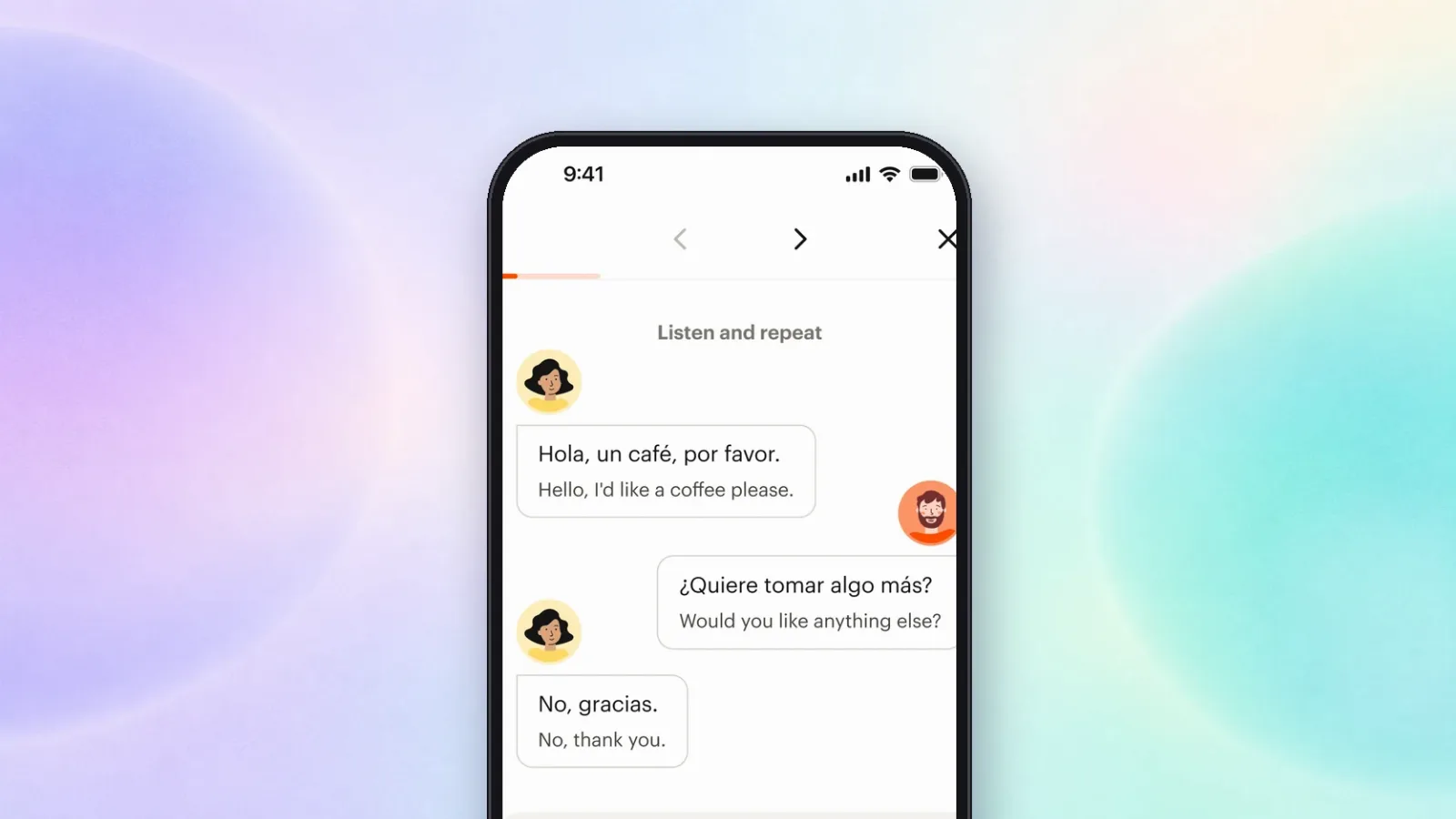
Babbel is the closest thing to a classic course in your pocket. Lessons are built for speakers of your language, grammar is explained in context, and dialogues come from situations you will actually be in. You practise out loud with speech recognition, and Babbel Speak, an AI conversation partner, is in beta. Lessons work offline. It teaches 14 languages.
It costs money: one language is $17.99 a month or $89.99 a year in the US App Store, and all languages $107.99 a year. Best for: people who want Duolingo's structure with the grammar actually explained.
Busuu
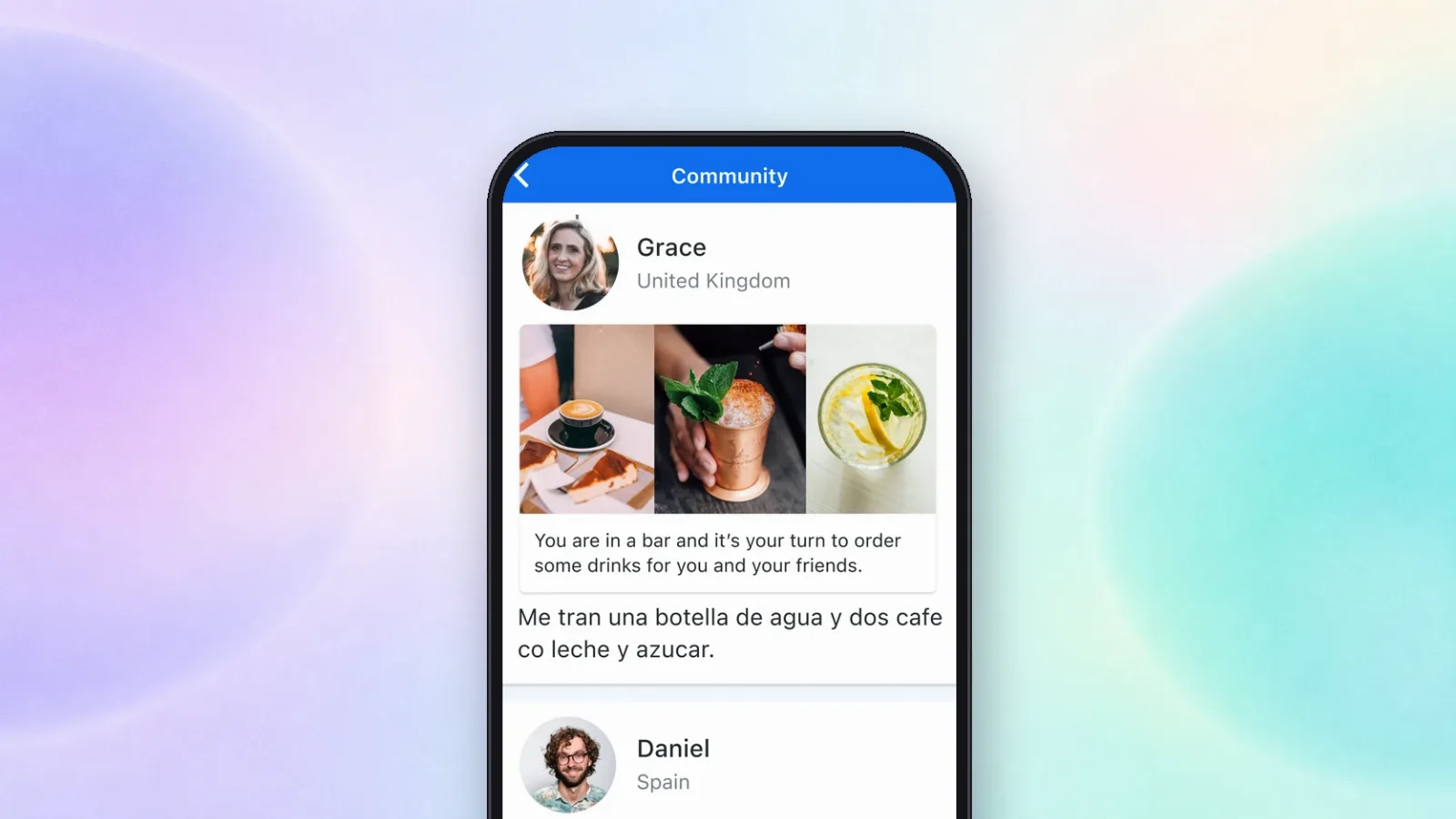
Busuu's lessons look familiar if you come from Duolingo, but it adds something Duolingo does not have: other learners who are native speakers correct your exercises, and you correct theirs. It also builds a weekly study plan around the time you have. There are 14 languages.
A lot of the app is free; Premium runs from about $70 to $139 a year in the US App Store, depending on the plan and offer. Best for: learners who want a human to look at what they write and say.
Pimsleur
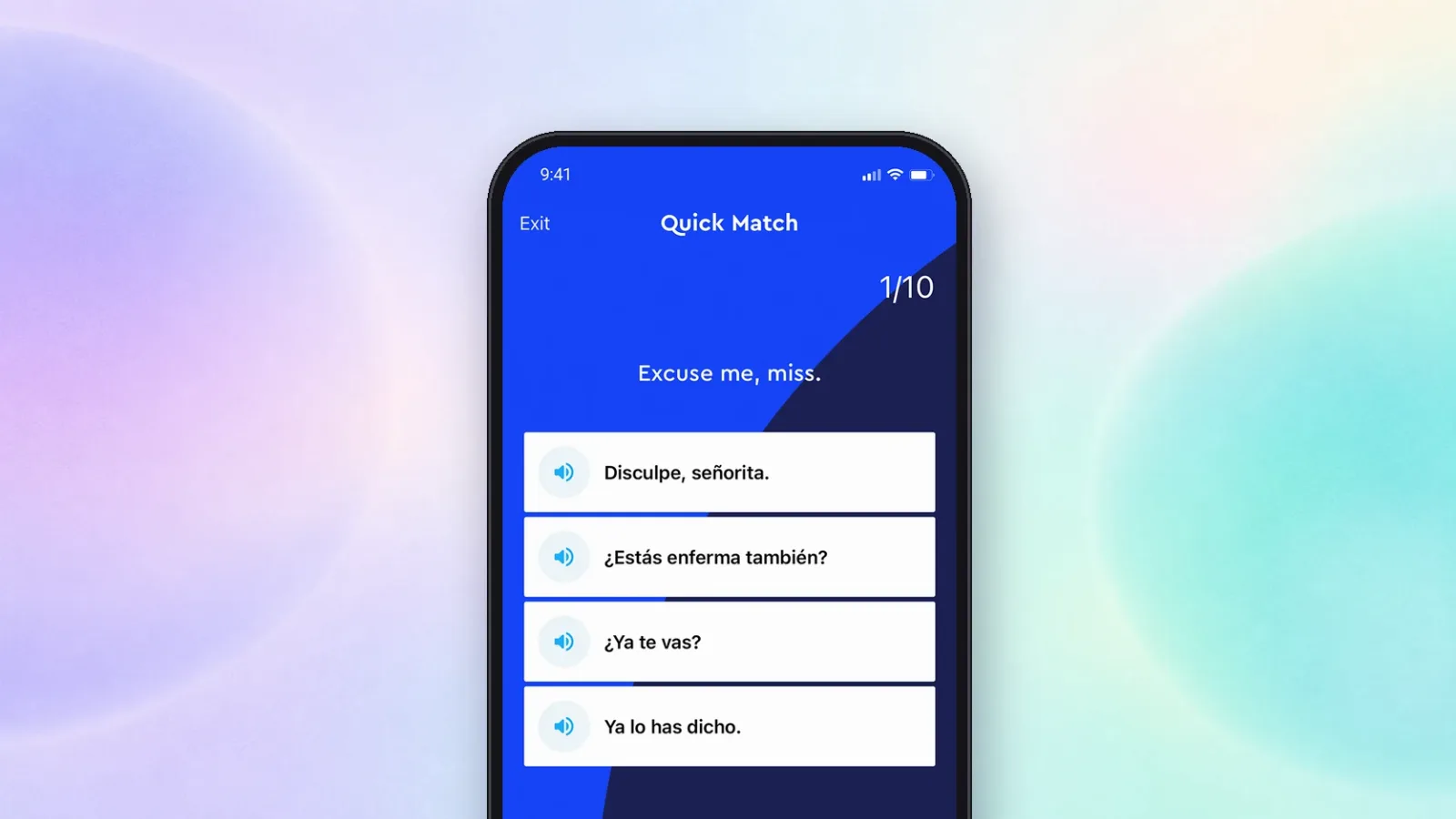
Pimsleur is an audio course: 30-minute lessons in which you listen, answer out loud and repeat until the phrase comes on its own. It works hands-free and offline, so it fits a commute or a workout, and there are more than 50 languages. The app adds reading lessons, flashcards and an AI tutor for pronunciation.
The first lesson is free. After that, one language is $19.99 a month, and All Access is $20.99 a month or $164.99 a year in the US App Store. Best for: people whose real goal is to speak, and who have time to listen.
LingoDeer
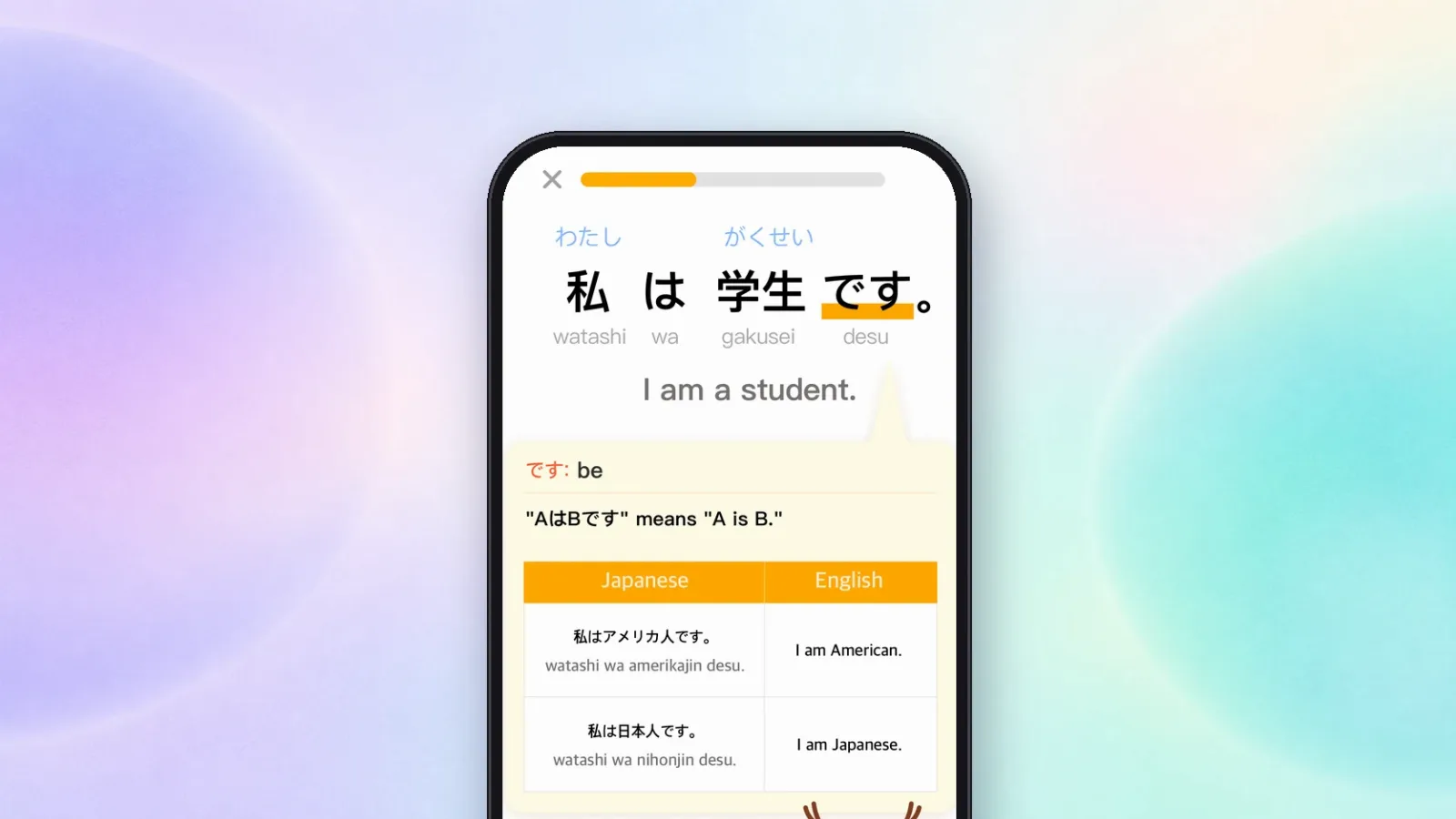
LingoDeer looks like Duolingo but explains more: every lesson has grammar notes, and courses for Japanese, Korean and Chinese start from the alphabet and include character practice. There are 20 languages, short lessons, flashcards and offline mode.
Full access needs a subscription: $14.99 a month, $95.99 a year or $159.99 for life in the US App Store. Best for: Asian languages, where Duolingo's guess-the-pattern approach is hardest.
LingQ
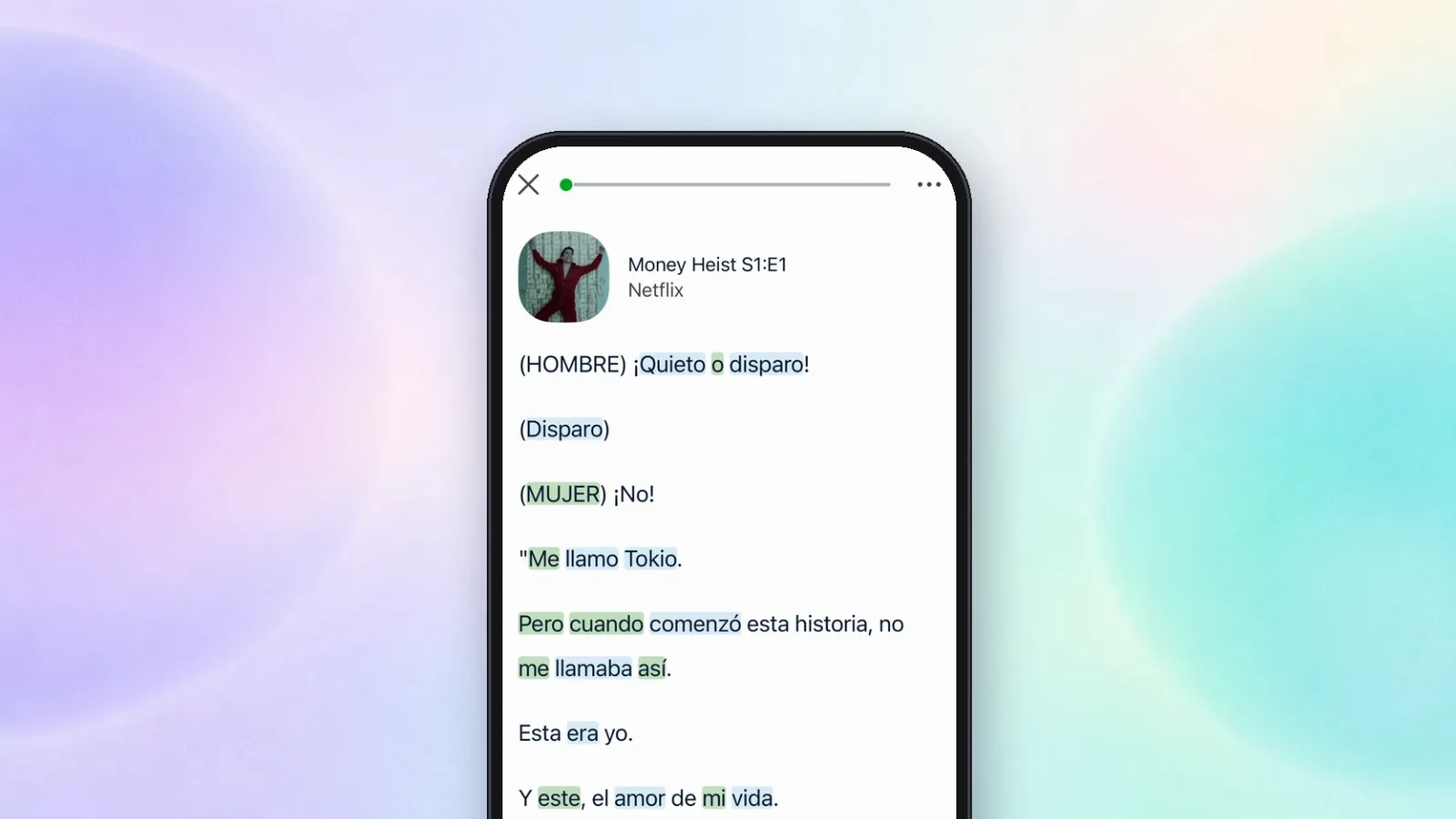
LingQ is not a course. You read and listen to real content: podcasts, books, articles, and episodes imported from Netflix and YouTube. Tap an unknown word to see its meaning and save it; saved words come back in spaced repetition reviews. It supports more than 50 languages.
The free plan is tight: 20 saved words and 5 imported lessons. Premium is $14.99 a month or $119.99 a year in the US App Store; Premium Plus is $29.99 a month. Best for: intermediate learners ready to leave the course and learn from real language.
Memrise
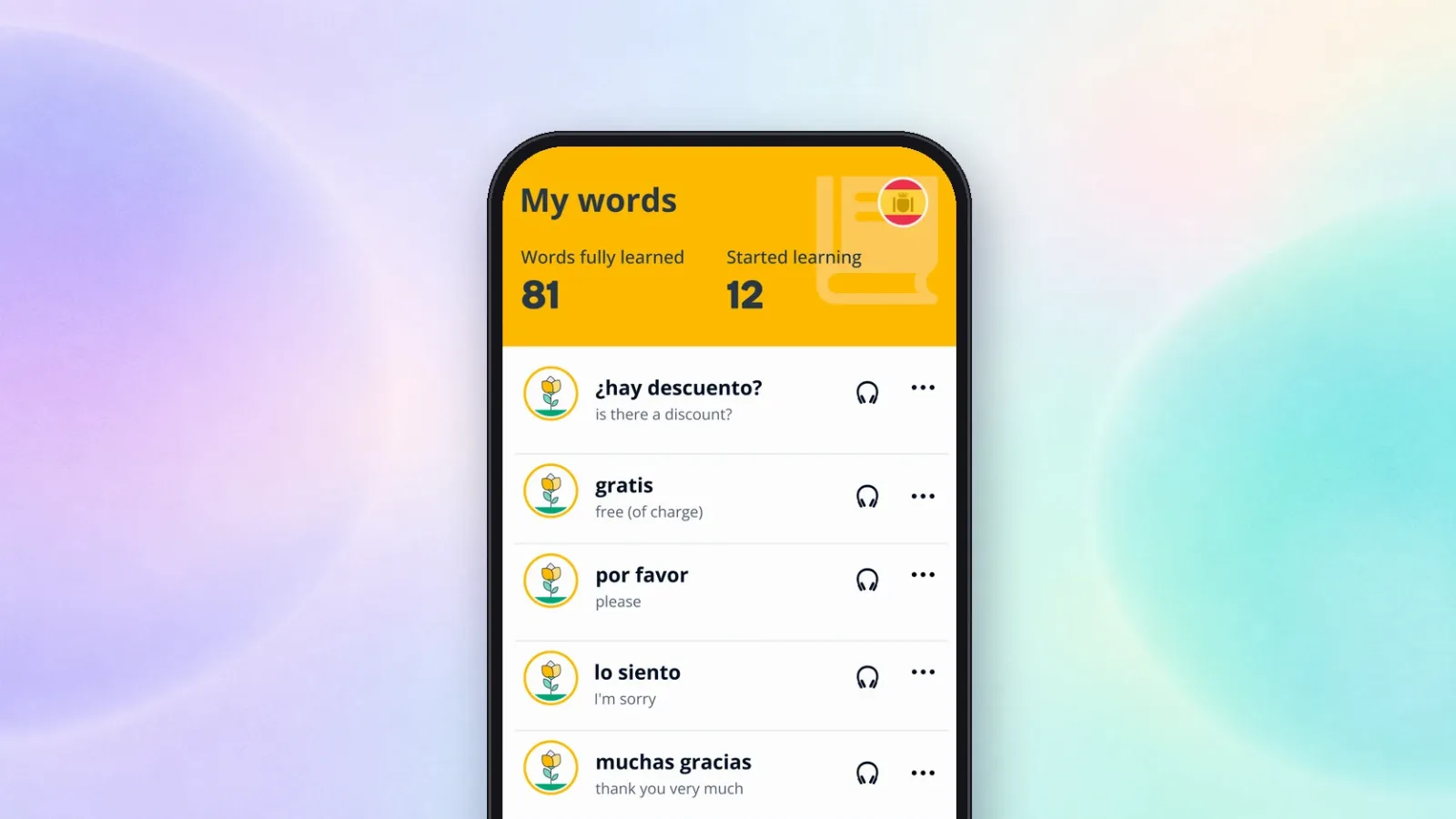
Memrise teaches through situations and short videos of native speakers, and lets you practise with AI conversations. It also keeps your own word lists, which Duolingo does not. It is still a course: most of what you learn is chosen for you.
The app is free with limits; Pro is $24.99 a month or $61.99 a year in the US App Store. Best for: learners who want to hear how people really speak.
Drops
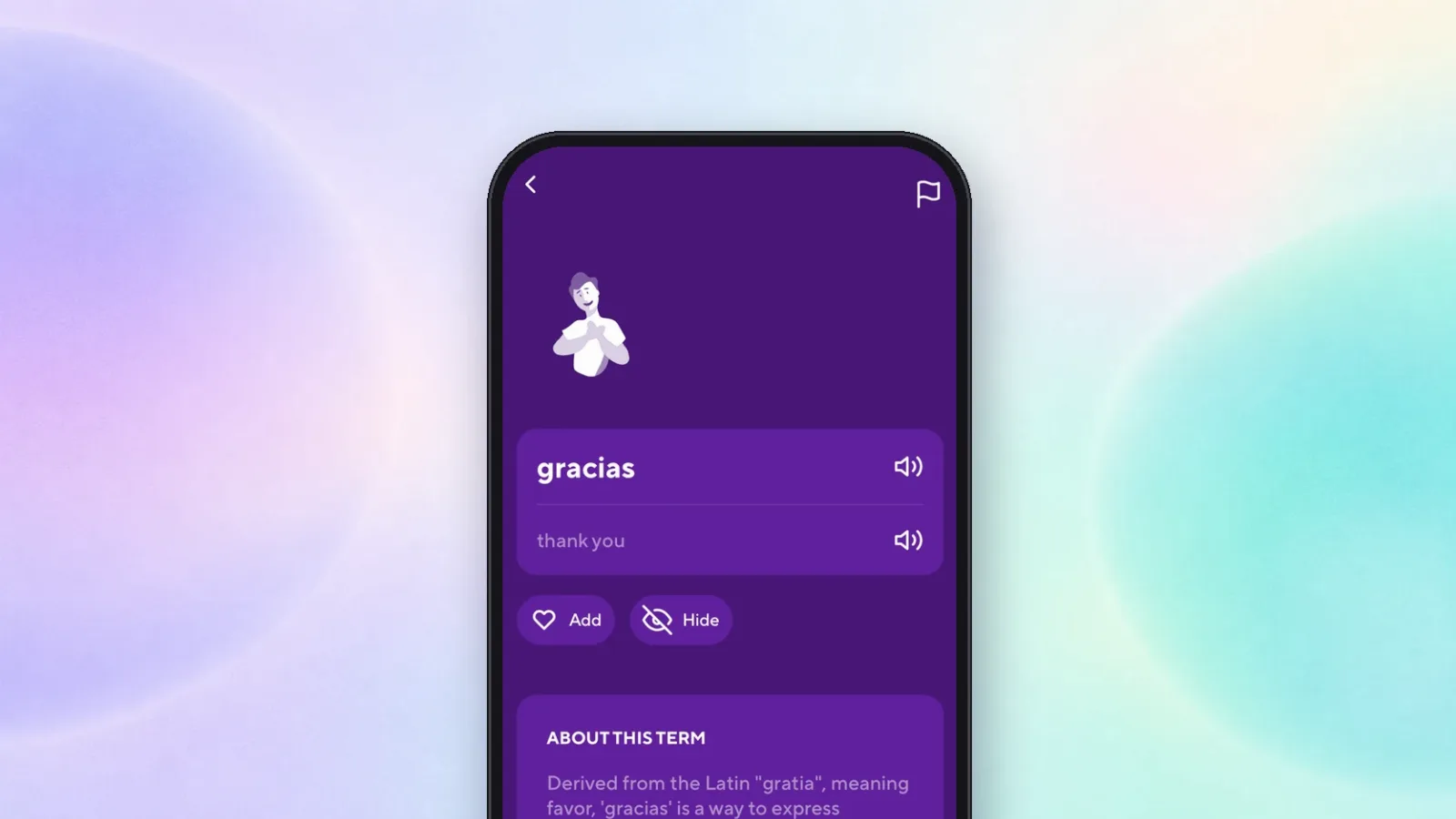
Drops teaches words through pictures and quick games, in five-minute sessions, in more than 55 languages. It is pleasant and easy to keep up, and it works best for concrete words: food, places, objects. Grammar, phrases and speaking are not what it is for.
It is free with limits; Premium has several plans in the App Store, from $7.99. Best for: a light daily habit next to something else.
Anki
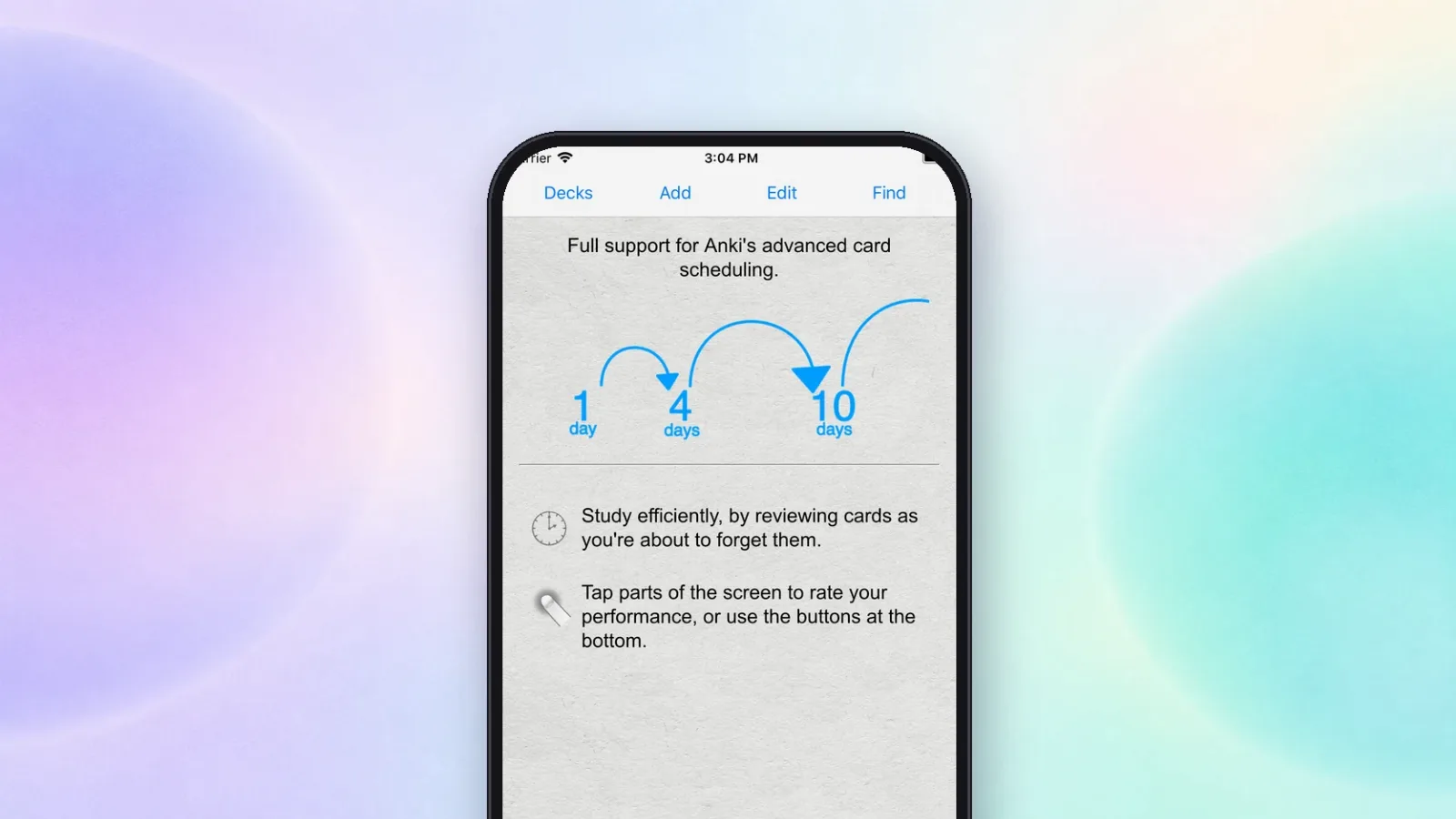
Anki is a flashcard tool with very precise spaced repetition. You make every card yourself, choose what goes on it and tune the schedule. For vocabulary next to Duolingo it is powerful, if you are willing to type the words, translations and examples by hand. It is free on desktop, Android and the web; the iPhone app is $24.99 once.
Best for: people who like building their own system. If making cards is what puts you off, see Anki alternatives.
VibeLing
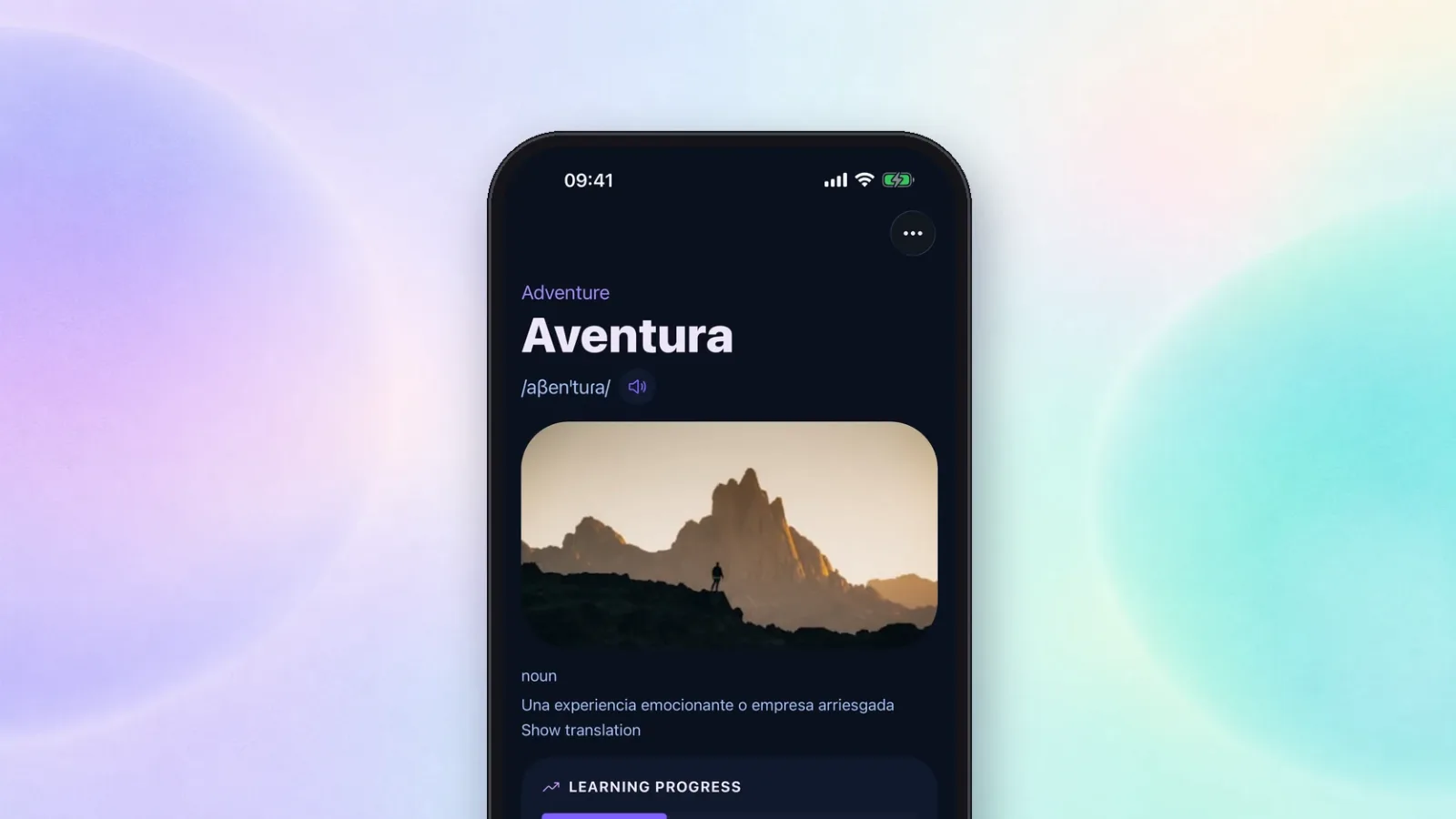
VibeLing is not a course and does not try to replace Duolingo's lessons. It does the part Duolingo does least: it keeps the words you meet in your own life. You type a word or phrase you saw in a show, a book or a message, and the app builds the card itself: translation, pronunciation, examples, audio and a picture. Then spaced repetition brings it back just before you would forget it, with exercises that go beyond tapping: picking the translation, spelling it, filling a gap, saying the word aloud.
It is free; an optional Pro subscription removes ads and adds more. Best for: keeping Duolingo for the habit and finally growing a vocabulary of your own.
Replace Duolingo or add to it?
Not every app here is a replacement, and that is the point. Duolingo does two things well, the start and the habit, so many learners are better off keeping it and adding one app for what it lacks.
| App | Replaces Duolingo? | What to use it for |
|---|---|---|
| Babbel | Yes | A structured course with grammar explained |
| Busuu | Yes | A course plus corrections from native speakers |
| LingoDeer | Yes | Japanese, Korean, Chinese and other languages with a new alphabet |
| Pimsleur | Yes, for speaking | Talking out loud, on the go |
| Memrise | Partly | Listening to native speakers, plus your own word lists |
| LingQ | No, it comes after | Reading and listening once you know the basics |
| Drops | No, add it | Five minutes of visual vocabulary a day |
| Anki | No, add it | Your own cards, if you will make them by hand |
| VibeLing | No, add it | Words from your own life, with the card built for you |
Is Duolingo by itself enough for vocabulary? We answered that in a separate article: Is Duolingo enough to build your vocabulary?
FAQ
Is there a free alternative to Duolingo?
Fully free courses are rare. Busuu keeps many features free, Drops and Memrise are free with limits, LingQ has a small free plan, and Anki and VibeLing are free for vocabulary. Babbel, Pimsleur and LingoDeer need a subscription for the full course.
What is the closest app to Duolingo?
LingoDeer and Busuu: short lessons, a clear path and a similar feel. LingoDeer explains grammar more; Busuu adds native speakers who correct you.
Is Duolingo still worth it in 2026?
For starting a language and keeping a daily habit, yes. For speaking, grammar and a growing vocabulary, it works better with a second app than alone.
Can I use Duolingo and another app together?
Yes, and for most people it is the best setup: Duolingo for the daily lesson, plus one app for your weak spot, speaking (Pimsleur), real content (LingQ) or words (VibeLing). More on picking between free and paid apps: Free vs paid vocabulary apps.
Keep the streak, keep your words
If what you miss in Duolingo is the words you actually need, try saving the next new word you meet in VibeLing and see the card it builds. It is free on the App Store and Google Play.
Price sources, US App Store, checked 11 October 2026: Duolingo, Babbel, Busuu, Pimsleur, LingoDeer, LingQ (free plan limits: LingQ), Memrise, Drops, Anki and AnkiMobile.